Aunerys
Hunting Fishing · soon
FR EN ES
Techniques · 2 min read

Moose hunting in Sweden: teams, dogs and stalking

In Sweden moose are mainly hunted in teams (jaktlag) with stands and dogs that hold the animal at bay; individual stalking complements it. Management areas, the county board’s role, the hunting exam and tracking.

Byline: Astrid Lindqvist Published Updated
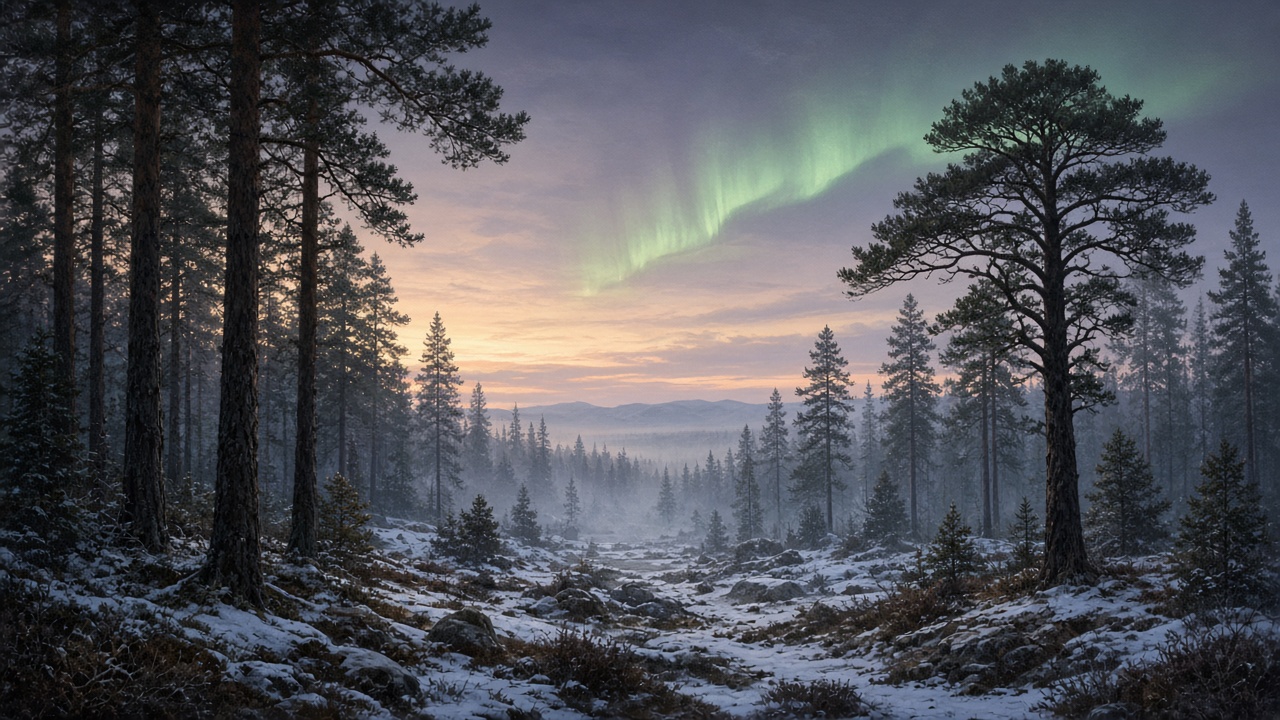
Boreal pine forest under northern light, Sweden — AI-generated illustration AI-generated illustration for Aunerys
Short answer

In Sweden, moose are mostly hunted by teams (jaktlag), with standers and dogs that hold the animal at bay; individual stalking complements this. Management areas are overseen by the county administrative boards (länsstyrelsen). Facts compiled on 4 November 2026.

Written by Astrid Lindqvist Facts compiled on 4 November 2026 Updated

Introduction

Moose hunting is an autumn fixture for tens of thousands of Swedes. It is practised first as a team, in management areas overseen by the county boards, under strict safety and tracking rules.

The framework

The Hunting Act (jaktlag 1987:259) and the Hunting Ordinance set the principles and seasons. The Swedish Environmental Protection Agency (Naturvårdsverket) sets national rules. Since 2012, moose have been managed by management areas (älgförvaltningsområden): the county administrative board (länsstyrelsen) registers hunting grounds and approves the multi-year plans of moose management units (älgskötselområden), which allocate harvests by sex and age.

Team hunting

The dominant form is team hunting (jaktlag), with stands (pass) spread along crossing lines and one or more dogs. The hunt leader (jaktledare) assigns stands, recalls shooting sectors and organises radio communication. Every participant knows where their neighbours are before the drive begins.

The bay dog

Moose dogs such as the Jämthund or Norwegian elkhound (gråhund) follow the animal without pushing it far and hold it in place by barking (ståndskall). The nearest hunter then approaches upwind to a safe shooting distance, guided by the barking and often by a GPS collar.

Individual stalking

Stalking (smygjakt) is done alone or in pairs at first light, in clear-cuts and bogs. It requires careful reading of signs — beds in the snow, browsing on pine and willow, droppings — and of the wind. Days shorten fast in the boreal autumn, leaving little time for a follow-up after the shot.

Exam, firearms and tracking

Swedish hunters pass the hunting exam (jägarexamen), which includes a theory part and practical shooting tests, then pay the state hunting fee every year. Moose hunters must have access to a qualified tracking dog to follow a wounded animal. The Swedish Association for Hunting and Wildlife Management (Svenska Jägareförbundet) trains teams and handlers.
Destination Sweden — hunting and nature →

Conclusion

In Sweden, hunting moose means joining a team, accepting its stands and instructions and respecting the management area’s allocations. Stalking alone remains a demanding complement in the boreal forest.
Sources : Riksdagen — Jaktlag (1987:259); Naturvårdsverket — jakt och vilt; Länsstyrelserna — älgjakt; Svenska Jägareförbundet
The author Astrid Lindqvist Articles on licences and preparing a hunting trip in Sweden. Editorial byline of the Aunerys desk. It does not attest to a verified local expertise. View profile →

Read next

Natural landscape in Switzerland — AI-generated illustration AI-generated illustration for Aunerys
Field guide · 6 min

Hunting methods in Switzerland: licence hunting, leased grounds and local practice

Natural landscape in Australia — AI-generated illustration AI-generated illustration for Aunerys
Field guide · 2 min

Hunting methods in Australia: stalking, hounds and local practice

Natural landscape in the Netherlands — AI-generated illustration AI-generated illustration for Aunerys
Field guide · 2 min

Hunting methods in the Netherlands: management, driven hunt and local practice