- Family
- Mobile hunting on foot
- Difficulty
- High: you need good fitness, experience of steep ground and accurate shooting off a rest, sometimes on a sharp slope
- Organisation
- The hunter and a ranger or guide, sometimes a companion
- Key gear
- Mountain boots, binoculars, a spotting scope, shooting sticks, a zeroed rifle
- Season
- Varies by species, autonomous community and reserve: check the orden de vedas, the community’s order setting hunting periods
- Who it suits
- Hunters fit for mountain walking and confident with a rifle, ready to follow a guide’s instructions
What is the idea behind Iberian rececho?
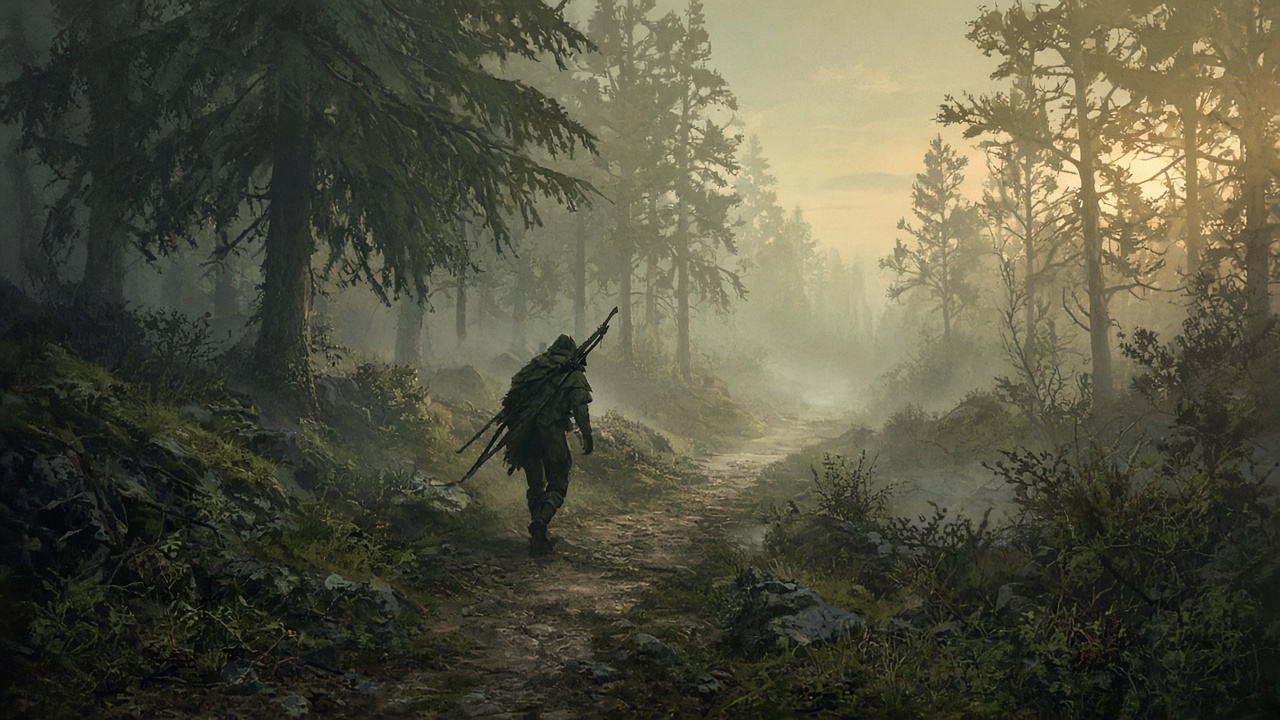
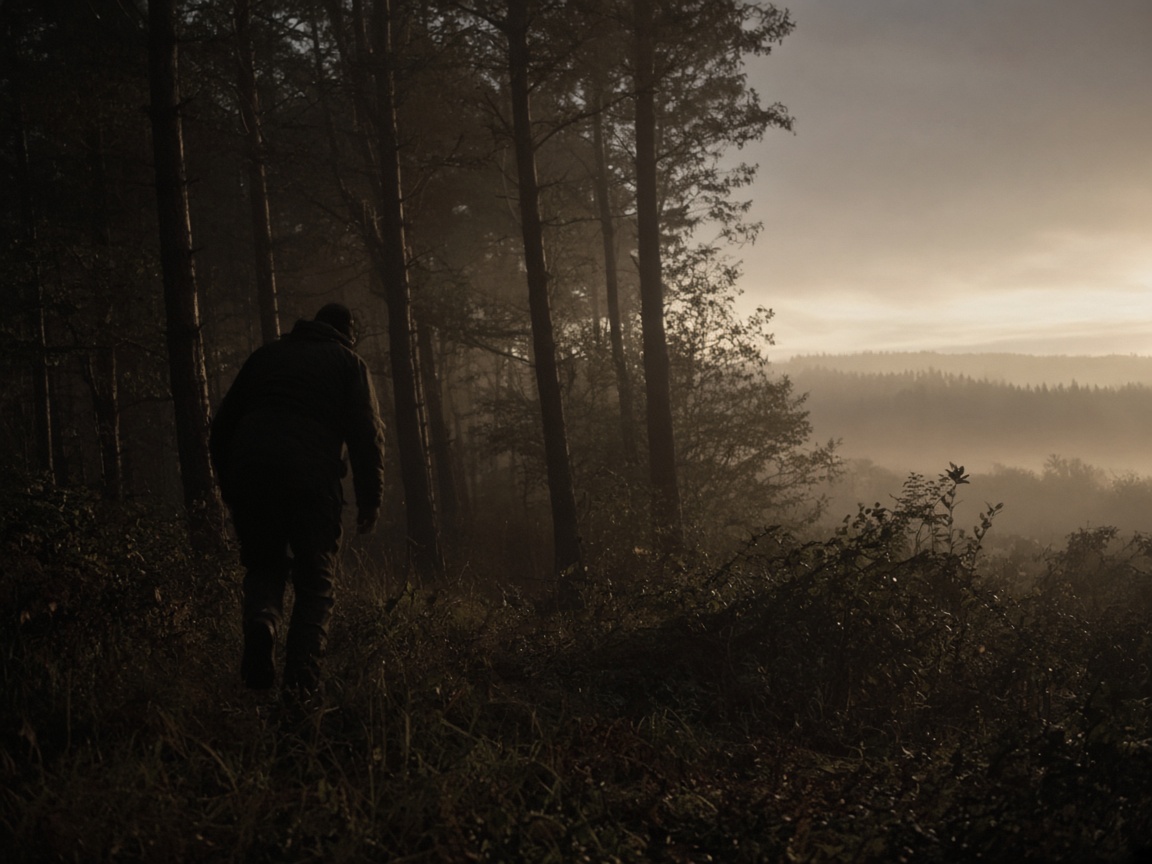
Iberian rececho is played out over long distances and steep ground: sierras, ridges, scree and cliffs. Much of the day goes on glassing, searching the opposite slopes with binoculars and a spotting scope, before choosing an animal and a route. The stalk itself can take hours to reach a safe firing point without being seen or heard.
Choosing the animal is central. The ranger or guide estimates the age of a male, notably from the annual growth rings on the horns of ibex and chamois, and checks that it matches the permit: trophy, selective cull or female, as the case may be. Trophies may later be measured under official scoring systems, a widespread practice in Spain that matters to some hunters more than to others.
The administrative setting is specific to Spain. Hunting is the responsibility of the autonomous communities, which run the hunting reserves and allocate permits under their own rules, often partly by public draw. On cotos, whether private or club-run, hunting follows an approved technical plan.
How does Iberian rececho work in the field?
What equipment do you need for Iberian rececho?
- Stiff-soled mountain boots and trekking poles
- A spotting scope on a tripod to judge age and horns at long range
- A rucksack able to carry venison and horns, and clothing for sudden weather changes
- A knife, gloves and a bag or game bag to carry what you shoot
Safety rules for Iberian rececho
- Never dislodge stones towards other people or a path below
- Watch the weather: fog, storms or snow can make a slope dangerous very quickly
- Unload before every awkward scramble up or down
- Identify the animal and what lies behind it before every shot, never a shape or a movement
Common mistakes in Iberian rececho
- Overestimating your fitness and arriving out of breath when it is time to shoot
- Shooting an animal without confirming with the guide that it fits the permit
- Ignoring the effect of a steep angle on the point of impact
- Setting out without knowing the boundaries of the ground you are allowed to hunt
Which species are hunted by Iberian rececho?
Where is Iberian rececho practised?
Spain — Castilla y León
In Spain, rececho targets Iberian ibex in ranges such as the Sierra de Gredos, Pyrenean chamois (sarrio) in the Pyrenees and Cantabrian chamois (rebeco) in the Cantabrian Mountains, as well as red and roe deer. The autonomous communities set the rules and run the reserves; the RFEC and regional federations can point hunters in the right direction.
Rules vary by country and region: check with the local authority. See the sources
Iberian rececho compared with neighbouring techniques
Iberian rececho is a regional variant of stalking: the same principle, but on more demanding mountain ground, with its own species such as the Iberian ibex and, in reserves, usually a ranger alongside. The montería, the other great Spanish hunt, is collective, with lines of stands (armadas) and packs of hounds (rehalas). Walk-and-stalk safaris in southern Africa share the idea of a guided approach, with a professional hunter.
Key terms in Iberian rececho
- stalking
- Hunting on foot in which the hunter closes in quietly on an animal already spotted, using wind and cover.
- glassing
- Searching methodically for game at a distance with binoculars before deciding on a stalk.
- shooting sticks
- A stick, bipod or tripod used as a rest for the rifle when shooting standing or sitting.
- shot signs
- Hair, blood, fragments or the animal’s reaction that tell you where it was hit.
- blood-tracking dog
- A dog trained to find wounded big game, worked on a long lead by a handler.
- gamekeeper
- The person who manages a shoot’s ground, habitat, game and the organisation of shooting days.
- montería
- A large Spanish collective big-game hunt with lines of stands and packs of dogs working the cover.
- coto
- In Spain, a defined and registered hunting estate, private, club-run or public, managed under a technical hunting plan.
- hunting reserve (Spain)
- A mountain or forest area run by an autonomous community, where permits are allocated under its rules, often with a ranger.
Frequently asked questions about Iberian rececho
What is Iberian rececho?
It is stalking as practised in Spain, mostly in the mountains: you spot an animal through binoculars, assess its age with the guide, then close in on foot until a safe shot is possible.
Which animals are hunted by rececho in Spain?
Mainly Iberian ibex and Pyrenean chamois, as well as red and roe deer. Wild boar is less often hunted this way and more often in a montería or from a stand. Which species may be hunted depends on the autonomous community.
How do you get a permit for a Spanish hunting reserve?
Each autonomous community sets its own rules. Some permits are often allocated by draw, others offered to outside hunters under arrangements published by the community. You also need a hunting licence valid in that community.
Is a guide compulsory for rececho?
In reserves, hunting is generally done with a ranger who points out the animal. On a coto it depends on the holder and the type of permit. A guide knows the ground and the animals, which reduces the risk of shooting the wrong one.
How do you age an ibex?
Mainly from the annual growth rings on its horns, but also from its build and behaviour. Judging age at a distance remains difficult, which is why the guide and the spotting scope matter.
How fit do you need to be for rececho?
You need good stamina uphill and downhill, on steep and sometimes pathless ground, and the ability to shoot calmly after the effort. Training with hill walks before the trip is strongly advised.
Iberian rececho in pictures
Sources and references on Iberian rececho
- Boletín Oficial del Estado (BOE) — Legislación estatal y autonómica de caza (consulted on )
- Ministerio para la Transición Ecológica y el Reto Demográfico (MITECO) — Caza y biodiversidad (consulted on )
- Real Federación Española de Caza (RFEC) — Modalidades, licencias y federaciones autonómicas (consulted on )
- CIC — Conseil international de la chasse — Sustainable hunting (consulted on )
- Boletín Oficial del Estado (BOE) — Ley 4/2021, de 1 de julio, de Caza y de Gestión Sostenible de los Recursos Cinegéticos de Castilla y León (texto consolidado) : arts. 32-40, 50-51 y anexo III (modalidades) (consulted on )
Practice information — not a legal authorisation.