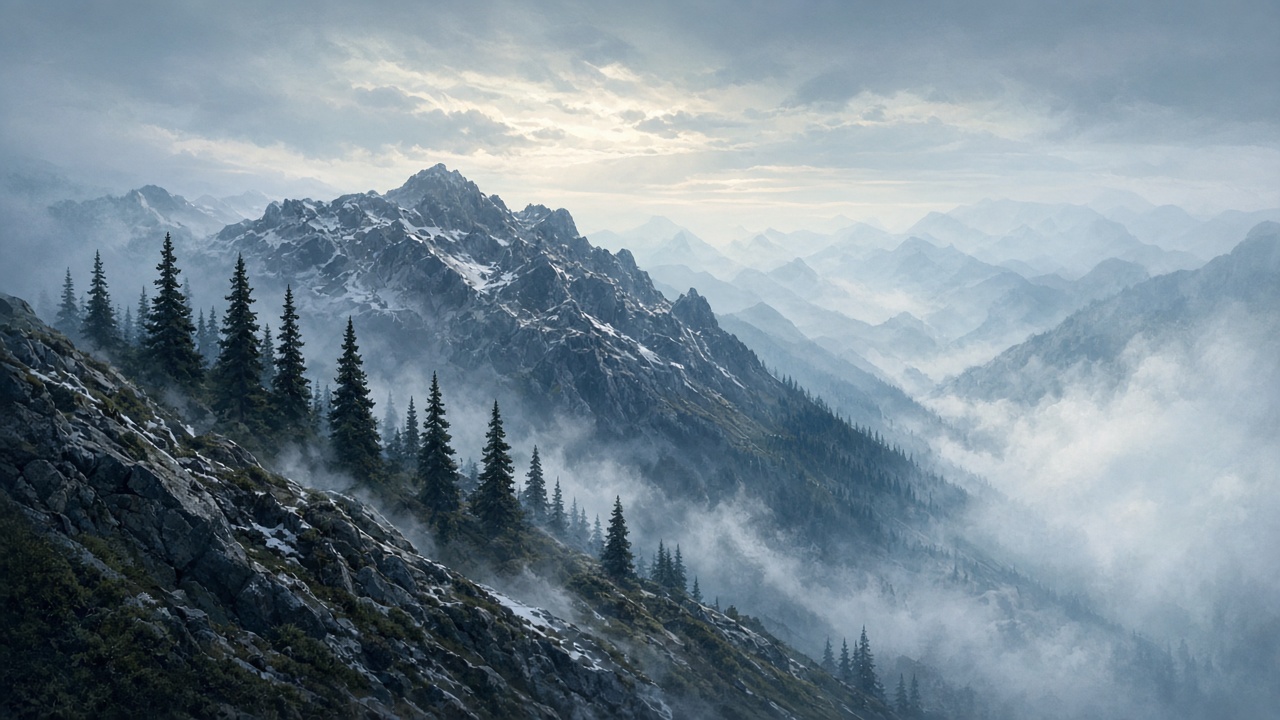
- Vegetation is arranged in belts with altitude: montane, subalpine, alpine and then nival.
- The treeline is set by the length of the growing season, not by a single altitude.
- Ibex, chamois, Pyrenean chamois and marmots are the emblematic mammals of the Alps and Pyrenees.
- Warming pushes species upslope and shortens snow cover.
Definition and boundaries
This sheet covers the mountain belts above the hills: the forested montane belt, the subalpine belt where forest thins out, the alpine belt of short grassland and dwarf heath above the treeline (group T6.4 of the IUCN typology), and then the nival belt of rock and snowfields. The low-altitude submontane (foothill) belt belongs to the forest and farmland sheets.
Distribution
Alpine habitats exist on mountains of the temperate and boreal zones: the Rockies and Andes, the Alps, Pyrenees and Carpathians, the Caucasus, the mountains of Central Asia and the Himalayas, Australia and New Zealand. Montane conifer forests extend the boreal forest southwards, as the IUCN describes.
Climate
Temperature falls with altitude. Winters are long and cold, summers short and mild, and snow can reach several metres; it insulates plants and animals from frost. According to the IUCN, trees disappear where the growing season lasts less than 90 to 94 days, with a mean temperature below 6.5 °C.
Soils, relief and water
Steep slopes, scree and avalanche chutes are subject to mass movements that destroy vegetation. Soils are thin on ridges and deeper on benches and in cirques. Aspect creates contrasting microclimates: warm south-facing slopes that lose their snow early, cold north-facing slopes where snow lingers.
Structuring vegetation
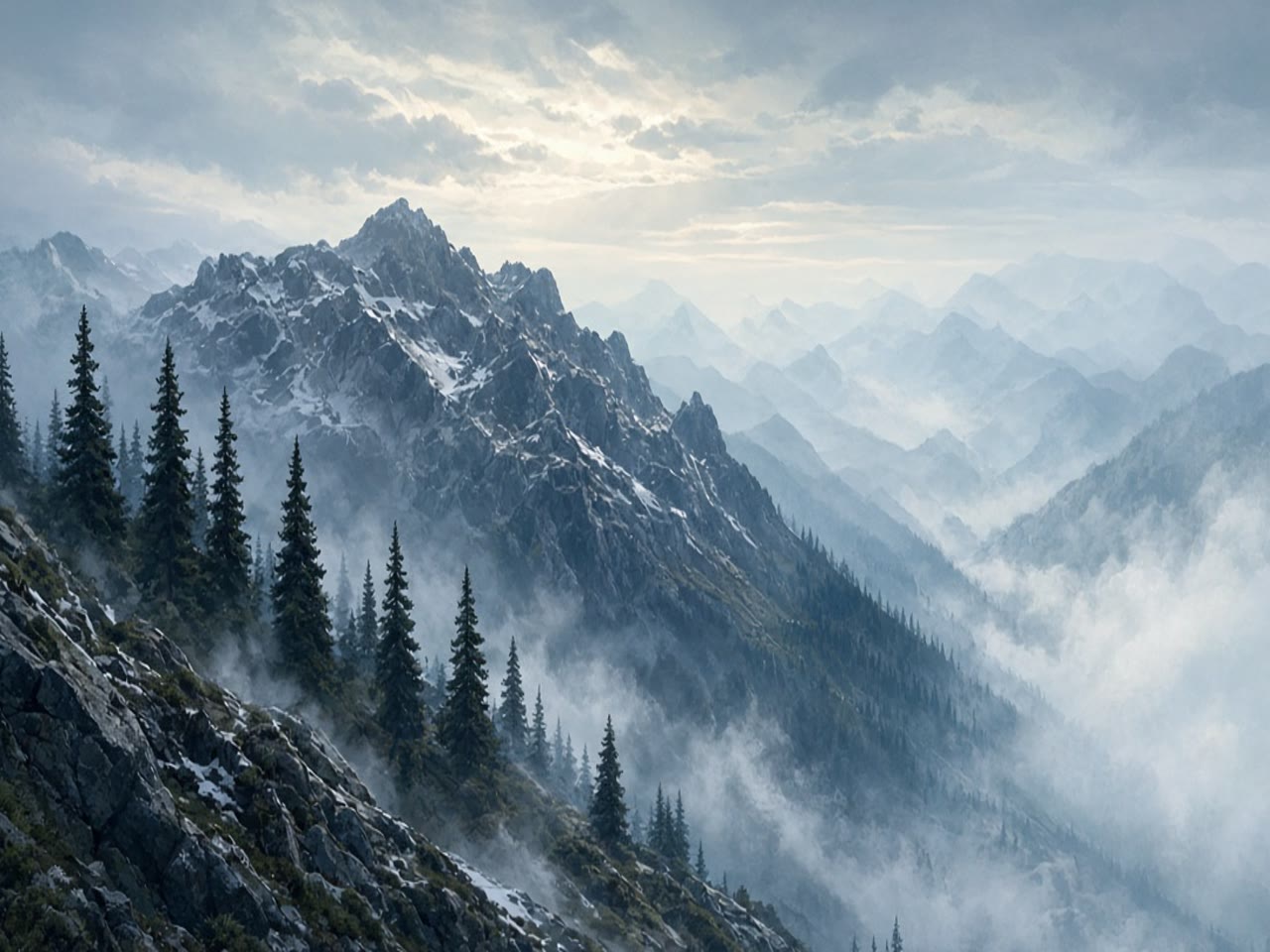
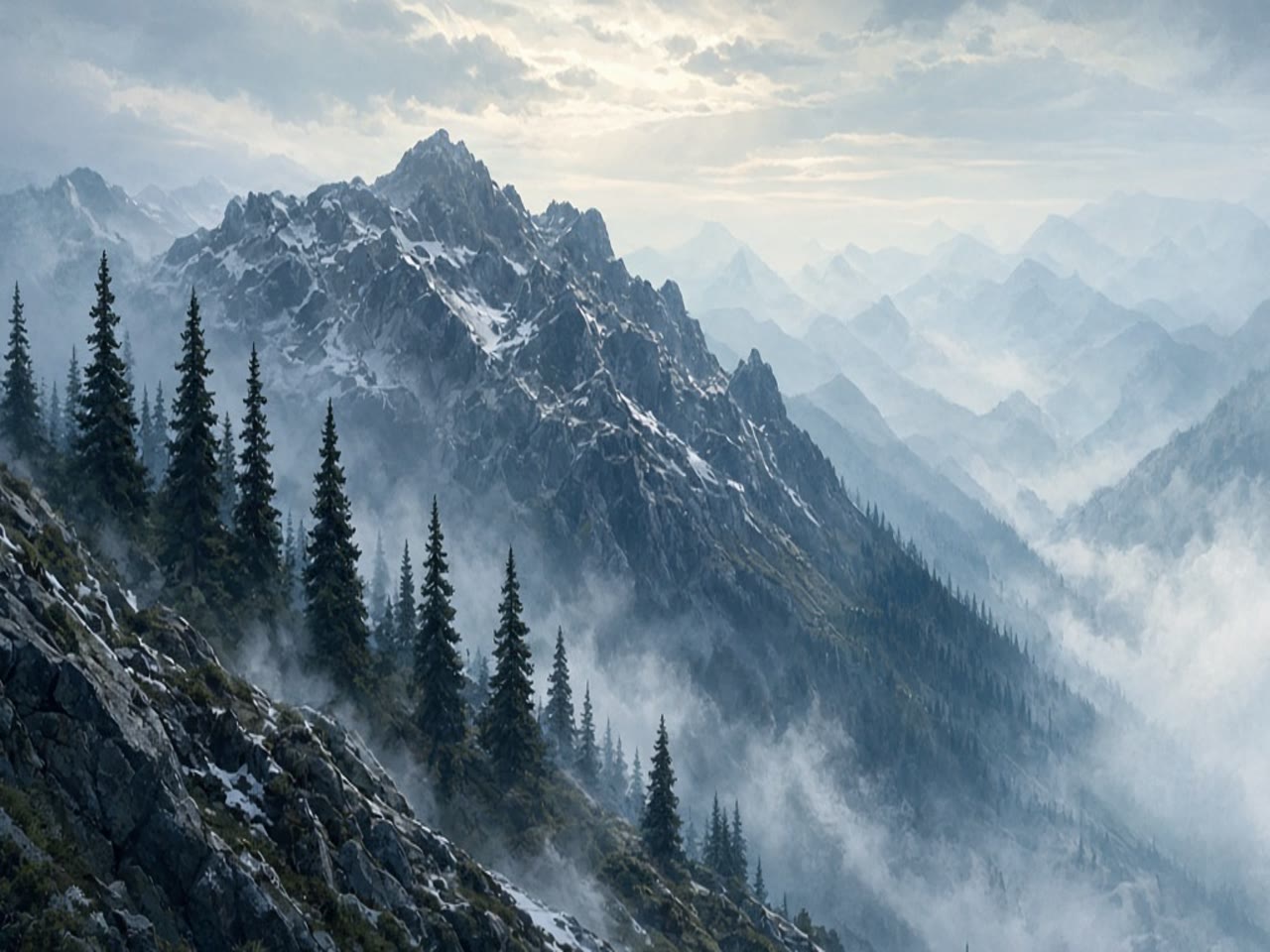
Beech-fir and spruce forests dominate the montane belt; in the subalpine belt, mountain pine, Swiss stone pine and larch open onto heaths of rhododendron and bilberry. The alpine belt carries grass and sedge swards, cushion plants and dwarf willows; lichens dominate on windswept ridges.
Characteristic fauna
Alpine ibex, Iberian ibex, northern chamois, southern (Pyrenean) chamois and Alpine marmot are typical of European mountains; the mountain hare and stoat turn white there in winter. Elsewhere, hoary and Himalayan marmots, the northern huemul (taruca) of the Andes and the white-lipped deer of the Tibetan Plateau fill comparable niches; in the Rockies, the golden-mantled ground squirrel, elk (wapiti) and puma use the forest belts and high meadows. Ptarmigan, black grouse, golden eagle and bearded vulture complete the bird fauna.
Functioning and dynamics
Fauna is mostly active in summer; in winter it hibernates (marmots), moves down to slopes with less snow or ranges over large home ranges. Steep gradients and barriers between ranges favour high endemism, especially among plants. Avalanches and rockfalls keep open patches within the forest.
Threats
Warming reduces snow cover and raises the treeline, squeezing alpine species towards the summits. Ski resorts, roads and summer recreation fragment habitats and disturb wildlife in winter, when its reserves are low. Abandonment of summer pastures closes some open habitats.
Field reading
Aspect and time of day matter more than the map: animals follow the snowmelt and the first green shoots, then move up in summer. Breezes rise in the morning and fall in the evening. Ledges, cirques and gullies serve as passages. Weather changes fast at altitude: plan a retreat before storms or fog.
This sheet describes a habitat. It publishes no season, quota or hunting authorisation: those rules must be checked with the competent authorities of the territory concerned.
Documented gaps
- Tropical mountains (páramos, Afroalpine) are not described.
- Belt altitudes vary between ranges and are not given here.
- Mountain birds are not linked to species sheets (the catalogue only contains mammals).
Sources
- IUCN Global Ecosystem Typology — T6.4 Temperate alpine grasslands and shrublands (consulted 2026-11-04)
- IUCN Global Ecosystem Typology — T2.1 Boreal and temperate high montane forests and woodlands (consulted 2026-11-04)
Related species
Related techniques
Practice information — not a legal authorisation.
Frequently asked questions
Why is the treeline not at the same altitude everywhere?
It depends on the length and warmth of the growing season. It is higher near the tropics and on warm slopes, lower towards the poles and on cold slopes.
What does the nival belt mean?
It is the highest belt, where snow lasts much of the year and only lichens and a few plants in rock cracks can grow.
Why does winter disturbance matter?
In winter, food is scarce and moving through snow costs a lot of energy. Repeated flight can exhaust animals that are already weakened.
Does this sheet authorise hunting in this habitat?
This sheet describes a habitat. It publishes no season, quota or hunting authorisation: those rules must be checked with the competent authorities of the territory concerned.
Gallery
Keep exploring
Connect this environment to documented species, techniques and other habitats — without confusing ecological description with hunting authorisation.